 By yousef Atta
Egypt travel safety tips start with reassurance and end with preparation: Egypt is generally safe for visitors in Cairo, Giza, Luxor, Aswan, and the Red Sea resorts, where security is visible and violent crime against tourists is rare.
What actually spoils trips is scams, chaotic traffic and tap water. The easiest fix is to let experts handle the details: our tailor-made Egypt tours, Nile cruises and Egypt travel packages include licensed guides, vetted drivers and 24/7 WhatsApp support. Planning it yourself? Skip North Sinai and the Libya border zones; enroll in STEP and book licensed guides. This guide gives you 20 clear rules, a destination-by-destination safety rating, a scams checklist, and emergency numbers, so you can plan with confidence.
Key Takeaways
- Stay informed: Conditions can change quickly—monitor local notices and advisories.
- Plan documents: Enroll in STEP, back up papers, and ensure passport rules are met.
- Avoid hotspots: Skip demonstrations and sensitive sites, and follow exclusion zone guidance.
- Prepare health-wise: Carry prescriptions, follow medication limits, and update vaccines.
- Know entry/exit rules: Confirm visa options and the need for an entry stamp to depart.
Is Egypt Safe for Tourists in 2026? The Quick Verdict
Yes, Egypt is generally safe for tourists who stick to the main visitor areas and plan ahead. Cairo, Giza, Luxor, Aswanو and the Red Sea resorts have a strong security presence. Violent crime against visitors is rare. What trips travelers up is far more ordinary: scams, chaotic traffic, tap water and unwanted attention.
| Risk | Level for tourists | What to do |
|---|---|---|
| Violent crime | Low | Use common sense after dark. |
| Petty theft | Low to moderate | Keep bags in front, carry only the day’s cash. |
| Scams and touts | Moderate | Pre-book guides and agree prices first. |
| Road traffic | High | Don’t self-drive; use licensed drivers. |
| Tap water and food | High if ignored | Drink sealed bottled water only. |
| Harassment | Moderate | Dress modestly, walk with purpose, use a guide. |
| Terrorism | Low in tourist areas, high in North Sinai | Avoid North Sinai and border zones. |
Egypt Safety Checklist: 20 Rules at a Glance
- Check your government’s travel advisory before booking and again before you fly.
- Enroll in STEP or your country’s traveler registration.
- Keep your passport valid for six months past your return date.
- Save digital and paper copies of your passport, visa, and entry stamp.
- Keep proof of entry, because you’ll need it to get an exit stamp.
- Buy insurance that includes medical evacuation.
- Stay out of North Sinai, the Libya-Sudan border zones, and unpermitted Western Desert routes.
- Book licensed guides and drivers in advance.
- Use ride-hailing apps or official taxis and agree on the fare first if there’s no meter.
- Don’t drive yourself.
- Skip microbuses.
- Drink only sealed bottled water, including for brushing your teeth.
- Avoid ice of unknown origin and raw produce you can’t peel.
- Carry small EGP notes for tips and restrooms.
- Politely decline “free” help, gifts, and unsolicited guides.
- Keep valuables in front of you and leave spare cash in the hotel safe.
- Dress modestly and carry a light scarf or cover-up for religious sites.
- Never photograph police, soldiers, checkpoints or government buildings.
- Avoid demonstrations and large gatherings, especially on Fridays after noon prayers.
- Share your itinerary and live location with someone you trust, and save emergency numbers offline.
Quick safety snapshot: what you should know right now
Start with a quick reality check: conditions on the ground can change with little warning. Monitor local and international media before you leave and while you’re out. Flights or airspace may be disrupted at short notice, so build flexibility into your schedule.
Keep a low profile around crowds and demonstrations. Arrests have occurred for bystanders and for social posts critical of local allies. If a gathering forms, move away and find a safe route out.
Expect heavy security in the city and at major sites. Passing bags through scanners and walking through metal detectors is common. Follow cordons and official directions—there were attacks on tourist buses near the pyramids giza in 2018 and 2019, so use designated entrances.
Prepare practical backups: enroll in STEP or your country’s registration system, have offline copies of passport and visa, and keep medicines and chargers in your carry-on. If anything feels off, step away and reassess from a safer position.
Understand regional risks before you go
Plan your route carefully: some parts of the country require extra permissions and caution. Avoid Northern and Middle Sinai, the Western Desert, and border zones with Libya and Sudan due to terrorism, active operations, and porous frontiers. Parts of the Western Desert need permits and long, poorly lit approaches; landmines exist in some coastal and desert areas.
Restricted zones and permits
North Sinai has a strict curfew and high risk of kidnappings and carjackings—do not go. South Sinai traffic is monitored with checkpoints and 4×4 permits for crossings from the mainland. If you plan a desert outing, confirm permits, fuel stops, and route markings first.
Cities, resorts, and road movement
Exercise heightened caution in Cairo, Giza, Luxor, Aswan, and Red Sea resorts. Stay on main roads, use signed entrances to tourist sites, and follow hotel or authority guidance. Expect multiple checkpoints; keep passport and car documents ready and comply politely.
Practical precautions
Choose licensed transport and a confident driver for optional excursions. Identify two safe neighborhoods per stop in case conditions change. Prioritize official advisories over hearsay to judge risk across different areas.
How Safe Is Each Destination? Quick Ratings
| Destination | Tourist risk | Main things to watch |
|---|---|---|
| Cairo and Giza | Low to moderate | Touts, taxi overcharging, heavy traffic |
| Luxor | Low | Persistent vendors, haggling over carriage and boat rides |
| Aswan | Low | Touts, strong midday heat |
| Nile cruise | Very low | Choose a licensed operator, bottled water on board |
| Hurghada and Marsa Alam | Low | Boat and dive operator standards, sun exposure |
| Sharm el-Sheikh and Dahab | Low to moderate | Stay in resort areas, expect checkpoints |
| Alexandria | Low | Traffic, summer crowds |
| Siwa and desert routes | Moderate | Permits, licensed 4×4 drivers, fuel and water |
| North Sinai and border zones | Do not travel | Terrorism, curfews, landmines |
Ratings reflect our on-the-ground view as a licensed Egyptian operator. Always check your government’s current advisory before you book.
Egypt travel safety tips
Before you move between cities, set a short routine to check official notices and local news.
Stay informed: monitor local news and official advisories throughout Egypt
Make sure you subscribe to embassy alerts like STEP or your national equivalent and enable push messages. Set daily check times—especially before departures or site visits—to catch last‑minute changes.
Be vigilant at tourist sites, transportation hubs, and religious sites
Minimize time in crowded arrival halls and stay near security lines. When you pass religious institutions, keep moving and avoid peak service times to reduce exposure.
Enroll in STEP and keep contingency plans ready
Keep digital and paper copies of passport pages and entry stamps, and email them to a trusted contact. Prepare a short contingency plan with alternate flights, two backup hotels, embassy contacts, and vetted ground services.
Charge your phone, carry a power bank, and test your SIM in the arrivals area. Pack a slim first‑aid kit and verify evacuation‑capable insurance so medical options are clear if you need them. Trust your instincts—if a place feels wrong, leave and regroup in a well‑lit spot.
Navigating tourist areas and iconic sites like the Pyramids of Giza
Arriving with a simple route and good timing can turn a busy monument into a calm experience. At major tourist sites, expect routine security screening and visible checkpoints. Curfews may be imposed at short notice, so plan accordingly.
Timing your visit and reading the security environment on site
Aim to arrive outside peak tour bus windows—early morning or late afternoon reduces queues and keeps you in daylight. As you enter, follow marked lanes, pass screening with your hands free, and note shaded exit points before you begin.
Occasional ID checks happen near sensitive spots; carry your passport or a high‑quality copy and comply politely if a person in uniform asks. Pace your time: focus on a few key places rather than rushing through every site.
Photography rules, tripods, and when to expect extra attention
Cell phone photos are broadly permitted at many sites, but a tripod often needs a permit or fee—ask at the ticket desk before you set up gear. Never photograph checkpoints, police, soldiers, or government buildings; that can draw unwanted attention.
If someone offers unsolicited help with photos or directions, decline kindly and move on with your group. Keep valuables close to your body and in front of you where people can’t easily access zippers. After your visit, go to a pre‑agreed pickup point and avoid lingering at gates where touts and bus traffic cluster.
Common Scams in Egypt and How to Avoid Them
Scams are the most common problem visitors face, and almost all are non-violent and easy to avoid once you recognize them. A private guided tour with a licensed driver removes most of them.
| Scam | How it works | What to do |
|---|---|---|
| “Free” guide or helper | Someone offers help or directions, then demands a large tip. | Say “no, thank you” once and keep walking. |
| “Secret viewpoint” | You’re led away from the group, then asked for money. | Stay on marked routes. |
| Camel and horse rides | Price changes after you’re on the animal. | Agree the price and duration before mounting. |
| “It’s closed today” | A tout says the site is shut and offers an alternative. | Check at the official ticket office. |
| Taxi overcharging | No meter, inflated fare. | Use ride-hailing apps or agree the fare upfront. |
| Shop commissions | A driver or “guide” brings you to a papyrus, perfume or alabaster shop. | Tell your driver where you’re going, not where he suggests. |
| Unwanted gifts | A scarf or souvenir is placed in your hand, then payment is demanded. | Don’t accept items handed to you. |
Rule of thumb: a friendly stranger offering unrequested help at a major site almost always expects payment.
Transportation and road safety: cars, drivers, and city traffic
When cars, motorbikes, and buses mix with few rules, your best move is to choose a safe, experienced driver. City traffic can be chaotic with faded lane markings and constant horn use. This environment is not the best place to learn local driving norms on the fly.
Why you should think twice about driving yourself
Self‑driving adds stress from aggressive passing, limited signage, and unpredictable vehicles. Road conditions are often poor, and the country records high rates of accidents.
Back seats in some taxis may lack seat belts, and drivers sometimes ignore traffic laws. For your peace of mind, avoid taking the wheel if you can.
Using licensed drivers and reputable services for intercity travel
For longer trips, hire licensed drivers and a reputable service or company with well‑maintained cars and working seat belts. Confirm pickup times, route plans, and phone contacts before you leave.
Road checkpoints, documents on hand, and staying on main highways
Expect checkpoints between cities and in South Sinai; keep your passport, vehicle papers, and hotel booking ready. Stick to main highways and drive in daylight when possible.
If an accident occurs, remain calm and keep vehicles where they are unless danger is present. If you are threatened during a carjacking, prioritize your personal safety and comply—do not resist.
Metro, taxis, microbuses, trains, ferries, and domestic flights
Choose transport that keeps you calm—crowds, road chaos, and mixed standards mean some options are better than others.
Safer ways to get around the city
In the city, default to official taxis or app-based options when available. Agree on the fare upfront if a meter is not used, and sit in the back to add a layer of protection.
The metro is fast but can be very crowded. Use women-only cars during peak hours and keep your bag in front of you on busy streets and platforms.
For trains, pick higher-class services where possible and travel by day. Keep valuables on your person between stops and watch platforms when the train pulls in.
What to avoid: microbuses and overcrowded options
Avoid microbuses entirely; hazardous driving and poor maintenance make them a disproportionate risk for tourists compared with other services. Ferries can also be overcrowded—board early to check exits and life jackets, and skip crossings in bad weather.
Always confirm a driver’s identity and vehicle plates via app or a quick message before you get in. For airport transfers, leave earlier than you think you need to—traffic can add unexpected time to your route.
Keep headphones low, carry small change, and if a vehicle or situation feels wrong, step away and choose another way to travel. Your schedule can flex; your personal safety cannot.
Documents, entry/exit, and visas: avoid last‑minute surprises
Clear documentation makes the difference between a smooth exit and a last‑minute scramble. Check your passport months before your trip: it must be valid for six months beyond your planned departure. Some airlines require even longer validity.
Passport validity and keeping proof of entry
Photograph your passport bio page and your entry stamp. You will not receive an exit stamp without proof of your entry, so keep digital and paper copies handy.
If you renew your passport while abroad, visit Immigration to transfer the original entry stamp well before you depart to avoid delays.
Tourist visas and overstays
Many nationalities can use an official e‑visa or get a visa on arrival; save screenshots of approvals in case airport Wi‑Fi is poor. Overstays can incur fines—contact Immigration early to request an extension if you need more time.
Traveling with children, dual nationals, and data stamps
Newborns and some dual nationals may need a specific data stamp to exit. Dual citizens can be treated as nationals for some procedures, so confirm rules for each passport. For medicines, pack originals, prescriptions, and no more than a three‑month supply; controlled drugs may be restricted. Finally, be aware some countries check passport stamps from other countries, so plan your route accordingly.
Keep paper and digital copies of everything—passport, visa, entry stamp, bookings—to speed checks on the road and at airports.
Money, cash, and payments at tourist sites
A smart mix of cards and local cash prevents last‑minute hassles at busy sites. Cards work at many official counters and larger services, but smaller places often need notes. Plan so you can pay both ways without stress.
Carrying EGP, card acceptance, and ATM realities
ATMs are common at airports and major hotels, but many machines limit withdrawals. Build in extra time to make multiple withdrawals if needed. Split funds across two cards so one network outage won’t lock you out.
Small bills, tipping norms, and minimizing cash risks
Keep small bills for restroom attendants and quick favors—5–10 EGP is the usual amount. At many tourist sites, attendants provide toilet paper for a small fee, so carry change.
Minimize theft risk by carrying only the cash you need for the day. Store the rest in a locked bag at your hotels and avoid flashing large amounts in crowded places. Use RFID‑blocking wallets and separate cards to add redundancy.
If an ATM debits you without dispensing cash, note the machine ID, take a photo, and contact your bank right away while you’re still on the trip. For quick purchases and taxis, paying the exact amount avoids disputes; learn to recognize notes so you don’t hand over the wrong bill.
Practical checklist: cards for big payments, cash for markets and tips, small bills for restroom attendants, backup cards stored separately, and receipts for major purchases in this section of your itinerary.
Health and hygiene essentials for a safe trip
A small dose of planning for vaccines and hygiene goes a long way toward protecting your journey. Talk to a travel health provider ideally six weeks before departure to get tailored information and any required shots.
Vaccines, polio updates, and clinic planning
Book a clinic appointment months ahead to review routine vaccines like MMR, tetanus, and polio. There is circulating poliovirus in some countries, so confirm boosters as part of your pretrip checklist.
Food and water: bottled water and smart dining
Can you drink tap water in Egypt? No. Use sealed bottled or filtered water for drinking and brushing your teeth. Check that the seal is intact, skip ice from unknown sources and avoid raw produce you can’t peel. Hotels and Nile cruise ships provide bottled water.
Drink bottled water for drinking and brushing teeth. Avoid swallowing water when showering or swimming, and skip raw produce you can’t peel.
Avoid freshwater exposure; schistosomiasis and other parasites can be present even in clear water.
Medical care access, evacuation insurance, and medications
Emergency and intensive care facilities are limited in many places, and ambulances can be unreliable. Purchase evacuation‑capable insurance and store the 24/7 contact number offline.
Pack prescriptions in original packaging for no more than three months. Some medicines are controlled—carry documentation and keep a simple health kit with oral rehydration salts, anti‑diarrheals, sunscreen, and basic meds.
Quick reminder: research clinics near your hotels, add their numbers to your phone, and keep a note of allergies and medications to speed care at sites where language or systems differ.
Traveling with Kids: Family and Heat Safety
Egypt works well for families with a little extra planning.
- Beat the heat. Visit open-air sites in the early morning and rest indoors at midday. Summer temperatures in Luxor and Aswan regularly exceed 40°C, so carry at least 2 liters of water per person.
- Protect against the sun. Use sunscreen, hats and long, light sleeves.
- Pre-book a private driver. Child seats are uncommon in taxis, so bring your own or confirm one in advance.
- Pace the days. Plan one major site per day and add a pool or cruise-deck break.
- Keep kids on bottled water and avoid street food and raw salads.
Staying connected: SIMs, eSIMs, and emergency contacts
Set up reliable data and duplicate contacts at the airport to avoid scrambling later. Buy a local SIM at an arrivals kiosk or activate an eSIM before you land, and make sure your phone is unlocked. Test mobile data and a quick call before you leave the terminal.
Setting up mobile data at the airport
Airport vendors sell prepaid plans and top‑up vouchers. Activate the eSIM on landing if you purchased one in advance. Keep a short cable and a slim power bank handy so your battery lasts while you sort connections.
Keeping key numbers and backups accessible
Save emergency numbers—112/122, your embassy or consulate, and insurer hotlines—both in your phone and on paper in your wallet. Ask hotels for the front desk WhatsApp so you can message arrival changes and quick services.
Share a simple note with your group listing flights, addresses, and meeting points so people can regroup. Back up maps for offline use and pin hospitals, Tourist Police stations, and your embassy. Store scanned IDs and insurance cards in a secure app with a biometric lock for fast access at clinics or checkpoints.
Women’s safety: navigating attention and harassment
When you move through busy streets, a few small choices can cut unwanted stares and harassment. Women, including visitors, often face behaviors that range from staring and catcalling to unwanted touching, and incidents rise around public holidays. Follow simple habits to reduce risk and keep your day calm.
Situational awareness, seating choices, and moving confidently
Walk with purpose: keep your head up, a clear destination, and steady eye contact to show confidence in the city. Confident body language on busy streets reduces unwanted attention from strangers and groups.
Choose seating wisely: use women‑only metro cars when available and sit in the back of taxis, not the front. Sitting in the back helps avoid mixed signals and keeps you nearer the exit if you need to leave quickly.
Group travel at night: move as a small group when possible and set clear rendezvous points. Avoid isolated underpasses and poorly lit side streets after dark.
Solo Female Travel in Egypt: What to Expect
Egypt is a manageable destination for solo women, but it asks for more awareness than many countries. Expect staring and verbal comments in busy areas, and persistent vendors at major sites. Physical crime against tourists is rare.
- Book your first days in advance. A pre-arranged airport pickup and a private guide for Cairo and Giza set a calm tone.
- Ask for a female guide. Many licensed guides are women, and you can request one.
- Dress modestly. Shoulders and knees covered, plus a light scarf, reduces attention and is useful at religious sites.
- Choose well-reviewed hotels in central, well-lit areas.
- Consider a small-group or private option. Our Egypt travel packages pair solo travelers with vetted guides and drivers.
When and how to seek help from Tourist Police
If harassment escalates, head to security staff or a well‑lit, busy area immediately. In cases of assault or theft, go to the nearest Tourist Police post to file a report and request a written copy—this document is vital for later follow‑up and insurance claims.
Keep your phone ready with an emergency contact on speed dial and pre‑typed messages you can send fast. Set boundaries about photos and unsolicited help, trust your instincts, and prioritize your safety over any plan. This concise guide helps you act fast and stay safer on the move.
Demonstrations, mass gatherings, and sensitive dates
Crowds can change the tone of a day in minutes, so plan routes with rapid exits in mind. Demonstrations sometimes appear without warning, often on Fridays after noon prayers. Local law prohibits protests without a permit, and arrests happen for participants or bystanders.
Why avoid crowds and how to reroute quickly
Give yourself multiple exit options for any attraction and avoid long dead‑end streets. If you sense a gathering forming, leave early using side streets and stay calm—do not film or provoke the crowd.
Keep your phone charged and a downloaded map so you can navigate if networks slow. Share live location with a trusted contact while moving through busy areas.
Dates of heightened risk and planning around them
Mark sensitive dates—January 25, the week of Orthodox Easter, June 30–July 3, and August 14—on your calendar. On those days, favor museums or indoor attractions and give extra time to reach transit hubs.
Remember: participation or proximity to protests can lead to detention. Monitor local media for real‑time information and pick accommodations away from known rally points.
Respect for laws, culture, and religious sites
How you act online and at sacred sites matters as much as what you pack. Keep basic information handy about local rules and carry proof of entry and stamps so exits go smoothly. Regional stamps can affect onward travel, so plan the order of crossings before you go.
Social media caution and legal sensitivities
Post thoughtfully. Avoid political commentary, security observations, or irreverent content from sensitive areas—authorities have detained people over social posts.
Never photograph police, soldiers, checkpoints, or government buildings. Point cameras at permitted sites and art, not security, and skip posts that single out individuals or private property.
Dressing and behaving appropriately at sites of worship
Treat religious places with extra respect: dress modestly, keep voices low, and follow posted rules. Carry a light scarf or cover‑up so you can adapt quickly when you enter conservative areas.
If a section is roped off, don’t cross it. If unsure about a rule at a site, ask a uniformed staff member—pause and confirm rather than assume. Respect queues and personal space; patience helps everyone, including the people who manage access.
Quick guidance: avoid political debates with strangers, focus on culture and history, and remember that small gestures of courtesy are a vital part of being a considerate visitor in this country and its places of worship.
Adventure and desert travel: plan with safety in mind
Remote areas demand more than spontaneity—carry extra water, fuel, and a clear plan.
Permits and route planning: For desert journeys, secure required permits well in advance and confirm which areas are off‑limits. The Siwa approach is long, partly unpaved, and has minimal services. Top up fuel and cash in Marsa Matruh and avoid off‑road detours—landmines remain in some parts of the Western Desert and border zones.
Road time and logistics: Plan all road segments for full daylight and build extra time for checkpoints. Carry more water and spare fuel than you expect to need. Log your route with your hotel and a friend and agree a way to check in if connectivity drops.
Gear, guides, and operators: Choose reputable services for 4×4 outings and dive or snorkel trips. Inspect vehicles, radios, recovery gear, oxygen availability, and boat safety before you board. Hire experienced drivers or guides if you lack desert navigation experience.
Insurance and emergency kit: Pack sun protection, a satellite communicator if you’ll go beyond coverage, and confirm your insurance covers adventure activities and remote evacuations. That simple prep is the best way to enjoy a world‑class adventure without needless risk.
Is It Safe to Take a Nile Cruise in Egypt?
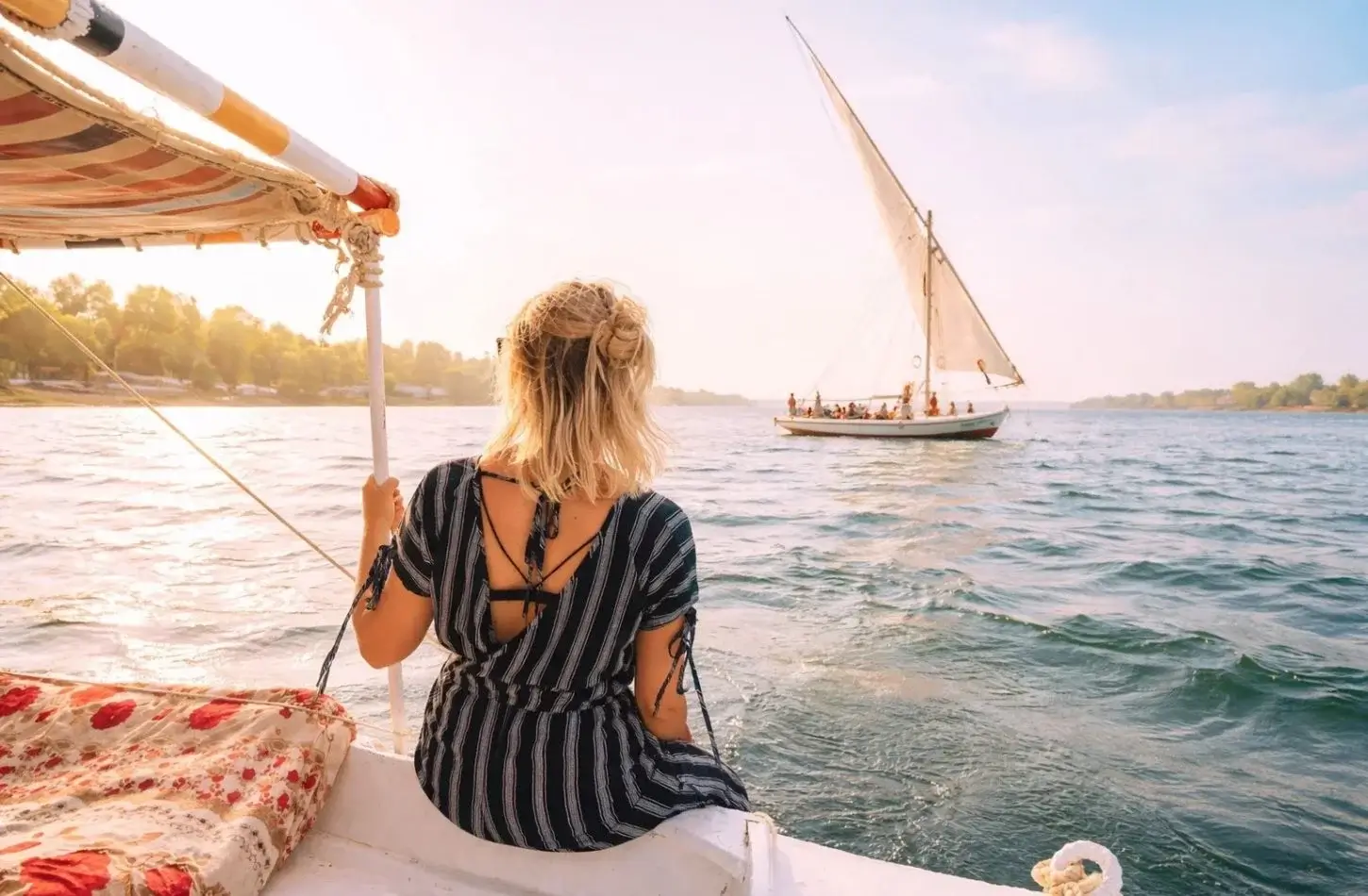
Yes. A Nile cruise is one of the most comfortable ways to see Luxor and Aswan. Your hotel moves with you, meals and bottled water are provided on board, and temple visits run as guided excursions with a driver and guide arranged in advance. That removes most of the daily decisions where scams and transport risks arise.
Choose a licensed operator, confirm the ship’s safety equipment and book through a company with real reviews. Our four cruise tiers are:
- Standard Nile cruises for good value and a classic itinerary
- Deluxe Nile cruises for a step up in comfort and service
- Luxury 5★ Nile cruises for the highest standard on the river
- Dahabiya Nile cruises for a quieter, small-boat experience
Solo travelers and first-time visitors often find a cruise the easiest way to see Egypt with confidence.
When things go wrong: theft, scams, and emergencies
Rapid, clear action after an incident protects your case, your funds, and your peace of mind.
How to report incidents to Tourist Police and document cases
If you’re robbed or harassed, go straight to the nearest Tourist Police office and file a report. Request a printed copy—official paperwork speeds any later case or insurance claim.
Capture facts immediately: time, exact place, a short description of the person or driver, and photos if safe. Save receipts, ticket stubs, and any messages as clear evidence.
Emergency Numbers and Official Advisory Sources
| Service | Number |
|---|---|
| Police | 122 |
| Ambulance | 123 |
| Tourist Police | 126 |
| Fire | 180 |
Save your embassy’s 24/7 line in your phone and on paper. For up-to-date advice, check your government’s official travel guidance, such as the UK FCDO Egypt travel advice and the US STEP enrollment page. Advisories change, so review them before you book and again before you fly.
Travel Egypt with Local Experts on Your Side
Safety is easier when licensed local people handle the details. Egypto Tours is operated by Daily Pyramids Tours, a Ministry of Tourism licensed Egyptian company rated 5.0 on TripAdvisor across 278 verified reviews.
- Licensed guides and vetted drivers on every trip
- 24/7 support from real people on WhatsApp
- Tailor-made itineraries built around your pace and comfort
- Secure booking with payment details sent safely
Explore our luxury Egypt tours and short breaks, read our verified reviews, or plan your trip and get a free itinerary within 24 hours.
Backup cash, copies of documents, and evacuation options
Carry a small reserve of cash and a spare card in a separate pocket so you can pay for a taxi or a hotel if your wallet is lost. Keep photos of your passport, visa, and entry stamp in a secure app for quick replacement.
Have evacuation‑capable insurance and know the emergency number to call. If a ride or road situation escalates, get to a well‑lit place with people, cancel cards, and alert your embassy and hotel so guides and drivers can help coordinate next steps.
Conclusion
A focused approach to documents, health, and timing keeps your trip smooth and memorable. Keep key papers accessible, enroll in STEP, and confirm your passport has six months’ validity. Carry proof of your entry stamp—airports may request it when you leave. Exercise caution in high‑risk areas and avoid Northern/Middle Sinai, the Western Desert, and border zones. Stay current on polio and other vaccines and buy evacuation‑capable medical insurance before you go.
Use this guide as your playbook: pick licensed transport, rely on hotels for local updates, share your itinerary with your group, and build buffer time around big moves. With these small choices, your trip can be safe, rewarding, and full of the world‑class places you came to see.
FAQs: Is Egypt safe for tourists
Is Egypt safe for tourists right now?
Egypt is generally safe in main tourist areas such as Cairo, Giza, Luxor, Aswan, and the Red Sea resorts, which have heavy security. Violent crime against visitors is rare. The main issues are scams, traffic, and harassment. Check your government’s advisory before booking and avoid North Sinai and border zones.
Is Egypt safe for solo female travelers?
Yes, with preparation. Expect staring and verbal attention; dress modestly, use women-only metro cars, and sit in the back of taxis. A private guide or small-group tour makes things easier, and solo women on Nile cruises often report feeling well looked after.
Can you drink tap water in Egypt?
No. Drink sealed bottled or filtered water, including for brushing your teeth. Avoid ice from unknown sources and unpeeled raw produce. Hotels and Nile cruise ships provide bottled water.
Which areas of Egypt should tourists avoid?
Avoid North Sinai, the Libya and Sudan border zones and remote Western Desert areas without permits and a licensed guide. Popular routes through Cairo, Luxor, Aswan and the Red Sea resorts are open to visitors.
What are the most common tourist scams in Egypt?
The usual ones are fake “free” guides who end at shops, inflated taxi fares, “secret viewpoint” tips and pushy camel or horse rides. Agree prices first, use ride-hailing apps and book official guides.
Is it safe to take a Nile cruise in Egypt?
Yes. Cruises are one of the easiest ways to see Luxor and Aswan, with on-board security, guides and bottled water. Choose a licensed operator and check the ship’s safety record.