 By yousef Atta
Good Egypt travel tips are easier to trust when they come from people who live here. Egypt is one of the most rewarding countries you can visit, and one of the most overwhelming on day one: the traffic, the heat, the bargaining, the sheer weight of history around every corner. A few local insights turn that overwhelm into confidence.
This guide comes from the team at Egypto Tours, a licensed Egyptian tour operator with in-house Egyptologist guides, vetted drivers and 24/7 on-trip support. It covers what our guests ask us most: visas, money and tipping, getting around, etiquette, food and water, safety, common scams and how to get the most from the big sites. Read it once before you book, and again before you fly.
Egypt Travel Tips at a Glance
- Visa : check whether you qualify for an e-Visa or a visa on arrival, and use only official channels.
- Money : carry small Egyptian pound notes for tips and small purchases. Cards work in hotels and larger restaurants, but not everywhere.
- Tipping : baksheesh is part of everyday life. Keep small notes in a separate pocket.
- Clothing : wear light, modest clothes that cover shoulders and knees, and carry a scarf for mosques.
- Water : drink bottled or filtered water, and be careful with ice and raw salads outside reputable places.
- Prices : agree the price before you buy, ride, or take a photo with an animal.
- Timing : start sightseeing early, when the light is soft and the air is cooler.
- Guides : use licensed Egyptologist guides, and book tours through a trusted operator.
- Respect : ask before photographing people, and be mindful during prayer times and Ramadan.
- Advice : check your government’s current travel advice before you book.
Before You Go: Planning Tips
Sort out your visa early
Most visitors need a visa. Many nationalities can apply online for an e-Visa through Egypt’s official portal, and eligible travelers can also buy a visa on arrival at bank counters in the airport. Fees changed in 2026, so check the current amount on the official e-Visa site rather than a third-party page. Confirm your passport validity requirement, since many countries ask for at least six months. Avoid unofficial websites that add service charges.
Choose the right season
Timing shapes your whole trip. October to April is the most comfortable period for sightseeing, while summer is hot but cheaper and quieter. Our guide to the best time to visit Egypt breaks it down month by month, including Ramadan and the Abu Simbel Sun Festival.
Give yourself enough days
Egypt is bigger than most first-timers expect. Cairo and Giza deserve at least three nights, and a Nile cruise between Luxor and Aswan adds another three to five. Most guests are happiest with 8 to 10 days, plus a few more if they want time on the Red Sea. Trying to see everything in five days usually ends with a lot of time in vehicles.
Book the popular things early
Nile cruises, good guides and Cairo hotels sell out first for Christmas, New Year and Easter. If you want a specific ship, book several months ahead. Browse our Egypt tour packages for ready-made routes you can adjust, or ask us to build a private trip around your dates.
Money Tips: Currency, Cards and Tipping
Carry small notes
Egypt’s currency is the Egyptian pound (EGP). Exchange rates move, so check the rate on the day rather than trusting old blog posts. Change money at banks, official exchange offices or ATMs, and avoid street exchangers. Most importantly, break large notes when you can: taxi drivers, toilet attendants and small shops often have no change, and a stack of 10, 20 and 50 pound notes makes life much easier.
Cards and ATMs
Cards are accepted in hotels, larger restaurants and modern shops in Cairo, Giza, Luxor, Aswan and the Red Sea resorts. Smaller cafés, markets, taxis and many sites still want cash. ATMs are easy to find in cities, and using one inside a bank or hotel is safer than a street machine. Tell your bank you are traveling so your card is not blocked.
How tipping (baksheesh) works
Baksheesh means a small tip, and it is woven into daily life. Wages in the service industry are modest, so a tip is a genuine thank-you, not a bribe. As a rough guide:
- Restaurants : many add a service charge, but a further 5–10% is welcome for good service.
- Guides and drivers : tip at the end of each day or the end of the trip, in cash and in local currency. Ask your operator for a current guideline.
- Nile cruise crew : most ships use a shared tip box at the end of the cruise, so bring cash in small notes.
- Porters, hotel staff and toilet attendants : a small note each time.
Bargaining without stress
Haggling is normal in bazaars such as Khan el-Khalili and in Luxor and Aswan’s souks, but not in supermarkets, pharmacies or fixed-price shops. Many travelers start around half of the first price and settle somewhere in between. Keep it friendly, smile and never bargain for something you do not want. If the price is not right, a polite “la, shukran” (no, thank you) and walking away often produces a better offer.
Getting Around Egypt
Taxis and ride-hailing
In Cairo, Alexandria and other big cities, Uber and Careem are easy to use and show the price in advance, which avoids arguments. If you take a street taxi, agree the fare before you get in, or make sure the meter is on. For airport pick-ups and full-day sightseeing, a pre-booked driver through a trusted operator is the simplest option.
Trains, metro and domestic flights
For Cairo to Luxor or Aswan, domestic flights are fast, while trains are cheaper and can be an experience in themselves, especially the sleeper train. The Cairo Metro is quick and cheap, and it has clearly marked women-only carriages. Allow extra time for traffic in Cairo at any hour; distances that look short on a map can take a long time.
Driving
We do not recommend renting a car. Traffic is dense and its own rules apply, and a driver costs little compared with the stress.
Nile cruise tips
A Nile cruise is the most relaxing way to see Upper Egypt, but a few local tips help. Excursions often start early, so pack a light jacket for winter mornings. Choose the boat that matches your style: our Egypt Nile cruises all sail between Luxor and Aswan in 3 to 5 nights, and you can compare standard Nile cruises for value, deluxe Nile cruises for upgraded cabins, luxury Nile cruises for suites and fine dining, or a dahabiya Nile cruise for a small, quiet sailing yacht. Bring small notes for the crew tip box, and remember that drinks are usually not included in the cruise price.
Culture and Etiquette Tips From Locals
What to wear in Egypt
Egypt is a conservative country, though beach resorts are relaxed. In cities and at sites, choose lightweight clothes that cover shoulders and knees. Cotton and linen work well in the heat. For mosques, women should cover their hair and everyone should remove shoes; carry a scarf and be ready to borrow a cover if you did not bring one. Seasonal packing details are in our best time to visit Egypt guide.
Greetings and manners
Egyptians are famously warm and curious. A smile and “ahlan” (hello) go a long way, and people often ask where you are from and whether you like Egypt. Shake hands with men, and wait for a woman to offer her hand first. Use your right hand for eating and giving. Public displays of affection should be kept modest. Avoid debates about politics and religion, and if a conversation becomes uncomfortable, change the subject with a compliment about the food.
Ramadan, Fridays and prayer times
During Ramadan, avoid eating, drinking or smoking in public in front of fasting people, and expect shorter opening hours by day and lively evenings. Friday is the main prayer day, and the Egyptian weekend is Friday and Saturday, so some shops open late on Friday. The call to prayer happens five times a day; it is part of the soundscape, not something to film or joke about.
Taking photos
Always ask before photographing people, especially women and children, and be ready to hear no. Do not photograph police, military sites or bridges. Drones need official permits and are not allowed casually. Some sites charge a fee for cameras or specific areas, and flash or tripods may be restricted inside tombs, so check with your guide.
A few Arabic phrases
- Shukran: thank you. La, shukran: no, thank you.
- Ahlan wa sahlan: welcome.
- Bikam da? how much is this?
- Mafi mushkila: no problem.
- Yalla: let’s go.
Food, Water and Health Tips
Water and stomach care
Drink bottled or filtered water, and check that the seal is intact. Ask for drinks without ice unless you trust the venue. Eat at busy places where the food is fresh and turnover is high, and carry hand sanitizer, oral rehydration salts and any regular medication in your hand luggage. Pharmacies are common and pharmacists are helpful, but bring prescriptions in their original packaging.
What to eat
Egyptian food is generous, tasty and easy on the wallet. Try koshari (rice, lentils, pasta and spicy tomato sauce), ful medames (fava beans) with taameya (Egyptian falafel), molokhia (a leafy green stew), hawawshi (spiced meat in baked bread) and grilled meats. Sugarcane juice is a refreshing street treat, and tea (shai) and coffee are part of every conversation. Vegetarians do very well here, because many national dishes are meat-free.
Toilets and small comforts
Public toilets often have an attendant who expects a small tip, and paper is not always provided, so carry tissues and a few small notes. Hotels and larger restaurants have good facilities.
Is Egypt Safe for Tourists? Safety Tips and Common Scams
Millions of visitors travel around Egypt each year, and the tourism industry takes visitor safety seriously, with a dedicated tourist police presence and security at major sites. As anywhere, common sense matters. Check your government’s current advice before booking, especially for border areas and parts of Sinai, and use a licensed operator for tours.
The most common scams
- The “closed” attraction: a stranger says a site is closed and offers a “better” alternative. Check with your guide or the ticket office.
- Unlicensed guides and touts: they approach outside sites and expect a fee afterwards. Politely decline with “la, shukran”, and hire a licensed guide with an ID badge.
- Camel and horse rides at Giza: agree the total price, its length and how you get down before you mount.
- Papyrus, perfume and “government-run” shops: fixed sales pitches often mean high prices. Compare prices and never feel obliged to buy.
- Taxi fares: agree the price first, or use Uber or Careem.
Solo and female travelers
Many solo and female travelers enjoy Egypt. Dress modestly, stay polite but firm with unwanted attention, and use ride-hailing apps or a pre-booked driver at night. Consider a small-group or private tour for your first days, and share your itinerary with someone at home.
Tech, Connectivity and Packing Tips
- SIM and eSIM: you can buy a local SIM at the airport or at an official provider store, and registration requires your passport. An eSIM is simpler if your phone supports it.
- Power: Egypt uses Type C and F sockets at 220 V, so bring a universal adapter and a power bank.
- Offline maps: download maps before you go, since signal can be patchy at remote sites.
- Essentials: sun hat, sunglasses, high-SPF sunscreen, comfortable walking shoes, a light scarf and a refillable water bottle.
- Documents: keep a photo of your passport and visa separate from the originals.
Sightseeing Tips: Get More From the Big Sites
- Go early: arrive at opening time at the Pyramids of Giza, Karnak and the Valley of the Kings to beat both heat and crowds.
- Use an Egyptologist: a good guide turns stone into stories. Our Cairo tours and Luxor tours use licensed Egyptologist guides.
- Give the Grand Egyptian Museum time: allow at least half a day, and check the current ticket rules in advance.
- Know the ticket rules: at the Valley of the Kings, a few famous tombs, including Tutankhamun’s, need a separate ticket.
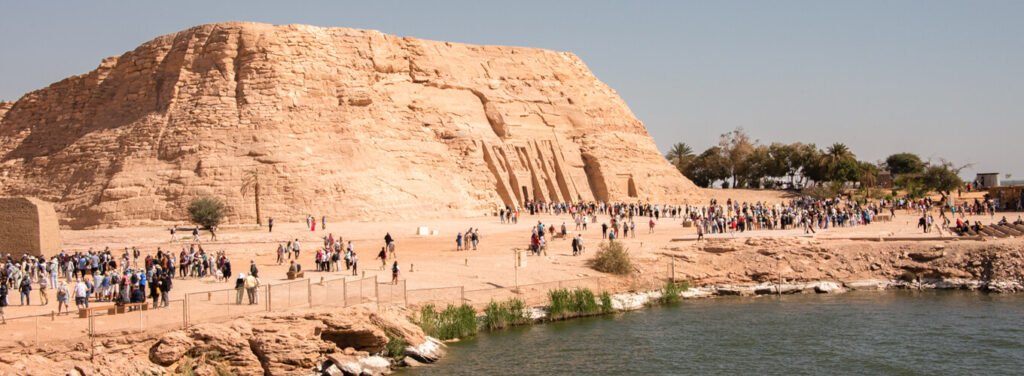
- Start Abu Simbel early: it is a long journey from Aswan by road, so leave early and bring water and a hat.
- Pace yourself: two big sites a day is plenty. Leave the afternoon for rest, food or a felucca ride.
Local Tips by Destination
Each region has its own rhythm, and knowing it helps you enjoy the trip rather than fight it.
Cairo and Giza
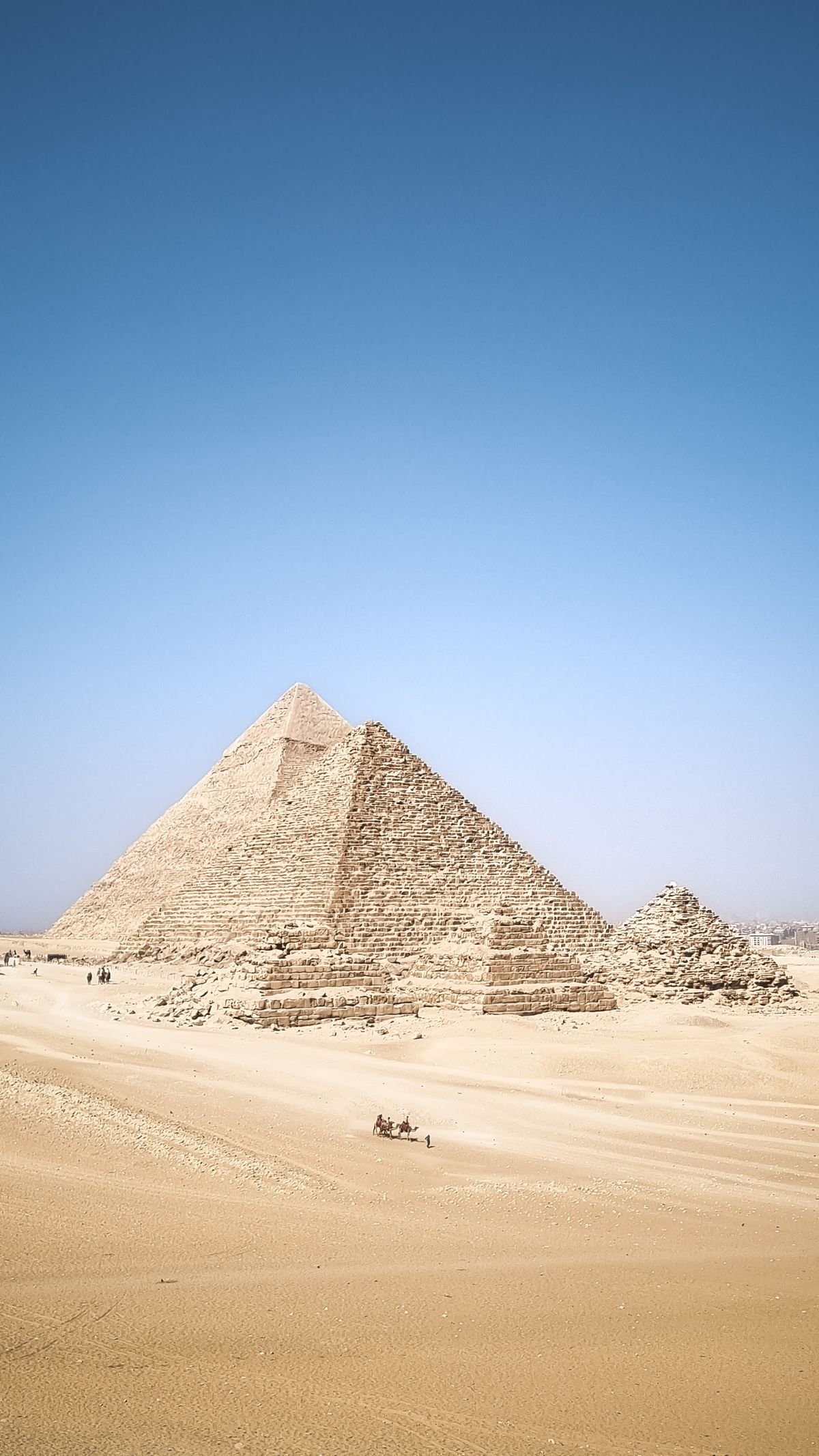
Cairo is loud, crowded and unforgettable. Visit the Pyramids and museums in the morning, and save Khan el-Khalili and Islamic Cairo for the late afternoon and evening, when the light softens and the streets come alive. Cross the street slowly and steadily, and let the traffic flow around you.
Luxor
Luxor is best explored in two parts: the East Bank temples of Karnak and Luxor Temple, and the West Bank tombs and temples. A sunrise hot air balloon flight is memorable, but book it in advance and bring a jacket for winter mornings. Luxor Temple at night is beautiful and much cooler.
Aswan
Aswan is calmer and greener. Take a boat to Philae Temple, sail a felucca around Elephantine Island at sunset, and consider a visit to a Nubian village for a taste of local culture. Agree the price and duration of any boat trip in advance.
Alexandria and the Red Sea
Alexandria rewards a slow walk along the Corniche, a look at the Bibliotheca Alexandrina and a seafood lunch. On the Red Sea, book snorkeling or diving with a licensed centre, protect the reefs by never touching coral, and expect a relaxed pace after busy days of sightseeing.
Common Mistakes First-Time Visitors Make
- Trying to see everything in a few days and spending the trip in vehicles.
- Arriving with only large notes and no small change for tips.
- Booking through an unverified operator or accepting a tout’s “special price”.
- Underestimating the sun, even in winter.
- Skipping the local food because of stomach worries; just choose busy, clean places.
- Forgetting that opening hours change during Ramadan and on Fridays.
Egypt Travel Tips: FAQs
Is Egypt safe for tourists?
Millions of visitors travel around Egypt every year, and major tourist areas have visible security and tourist police. Check your government’s current advice, use a licensed operator and follow normal precautions.
Do I need a visa for Egypt?
Most visitors do. Many can apply for an e-Visa online or get a visa on arrival at the airport. Check the official e-Visa portal for current fees and eligibility.
How much should I tip in Egypt?
Tips are part of daily life. Keep small notes for restaurants, guides, drivers, porters and toilet attendants, and ask your operator for a current guideline for guides and cruise crew.
What should I wear in Egypt?
Light, modest clothing that covers shoulders and knees. Bring a scarf for mosques and comfortable shoes for sites. Beach resorts are more relaxed.
Can I drink tap water in Egypt?
It is best to drink bottled or filtered water and to be careful with ice and raw salads at unfamiliar places.
Can I use credit cards in Egypt?
Yes, in hotels, larger restaurants and modern shops, but carry cash for markets, taxis, small cafés and tips.
What is the best way to get around Egypt?
A pre-booked driver or private tour is the easiest way for sightseeing. Uber and Careem work well in big cities, and domestic flights or trains connect Cairo with Luxor and Aswan.
How many days do I need in Egypt?
Most travelers enjoy 8 to 10 days for Cairo, Luxor and Aswan with a Nile cruise, plus a few more days for the Red Sea.
When is the best time to visit Egypt?
October to April is the most comfortable period. Our best time to visit Egypt guide covers each month in detail.
Is it OK to bargain in Egypt?
Yes, in markets and with street vendors, but not in fixed-price shops. Keep it friendly and be ready to walk away.
Plan Your Egypt Trip With Local Experts
These Egypt travel tips will make your first days smoother, but nothing beats having local people at your side. At Egypto Tours, we handle the details: licensed guides, vetted drivers, cabins, transfers and 24/7 support. Browse our Egypt tour packages or start with a cruise on our Egypt Nile cruises page, and we will send a tailored quote.